
Apply Noise Generator to images and videos online
Add noise and grain to your images and videos. Create film texture, subtle imperfections, or bold chaotic patterns in real time.
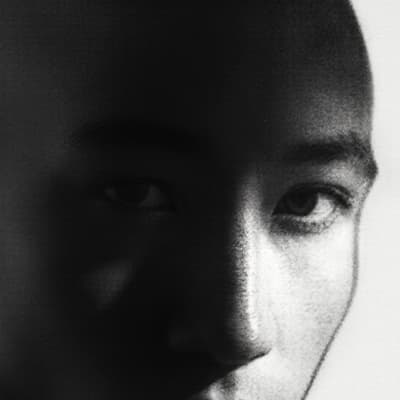 Before
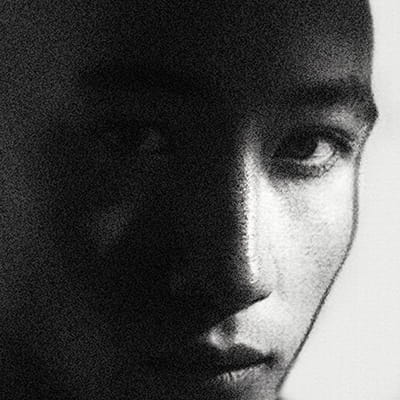 After
After
Ideas for using the effect
Film grain
Simulate organic grain to remove digital flatness and add cinematic texture.
Analog imperfections
Introduce subtle noise to recreate scanned, printed, or recorded media.
Motion texture
Animate noise over time to add life and movement to static visuals.
Experimental effects
Use strong noise patterns for glitch, abstract, or generative looks.
Made with this effect
More inspiration on Instagram @effect_app


Use Noise Generator in Photoshop, Figma or on your desktop
One account, the same effect everywhere.
In Photoshop
Apply it to a layer in Photoshop 2022 and later, on macOS or Windows. The plugin renders on your own GPU and hands the result back as pixels on a new layer.
get the Photoshop plugin →In Figma
Run it on images and frames without leaving the canvas. The Figma plugin is this same editor, pointed at whatever you have selected.
get the Figma plugin →On desktop
Install the macOS or Windows app when you want a window of its own, with your account and your presets already there.
download the desktop app →Frequently Asked Questions
What is the Noise Generator effect?
Noise Generator creates procedural noise that can be layered over images or videos to add texture, grain, or randomness.
Is this similar to film grain?
Yes. With subtle settings, Noise Generator works as film grain. For scanned analog film textures from real Kodak, Fuji, and Ilford stocks, see Film Grain.
Does noise animate over time?
Yes. Noise can evolve frame by frame, making it perfect for video and motion graphics.
Can I use it with other effects?
Absolutely. Noise is commonly combined with CRT Screen, Bloom, Glitch, color grading, and blur effects.
Does it work on videos?
Yes. Noise Generator runs in real time on both images and videos.
Is this different from Add Noise in Photoshop?
Photoshop's Add Noise offers an amount, two distributions and a monochrome checkbox. The Photoshop plugin applies procedural noise to a layer with scale and character under control, and returns it as pixels on a new layer.