Apply Modulation Dither to images and videos online
Recreate the look of corrupted broadcast signals and modulated transmissions. Wave-based signal modulation, inverted tonal curves, electric blue grading, CRT screen phosphor dots, and paper grain create haunting transmission failure aesthetics.
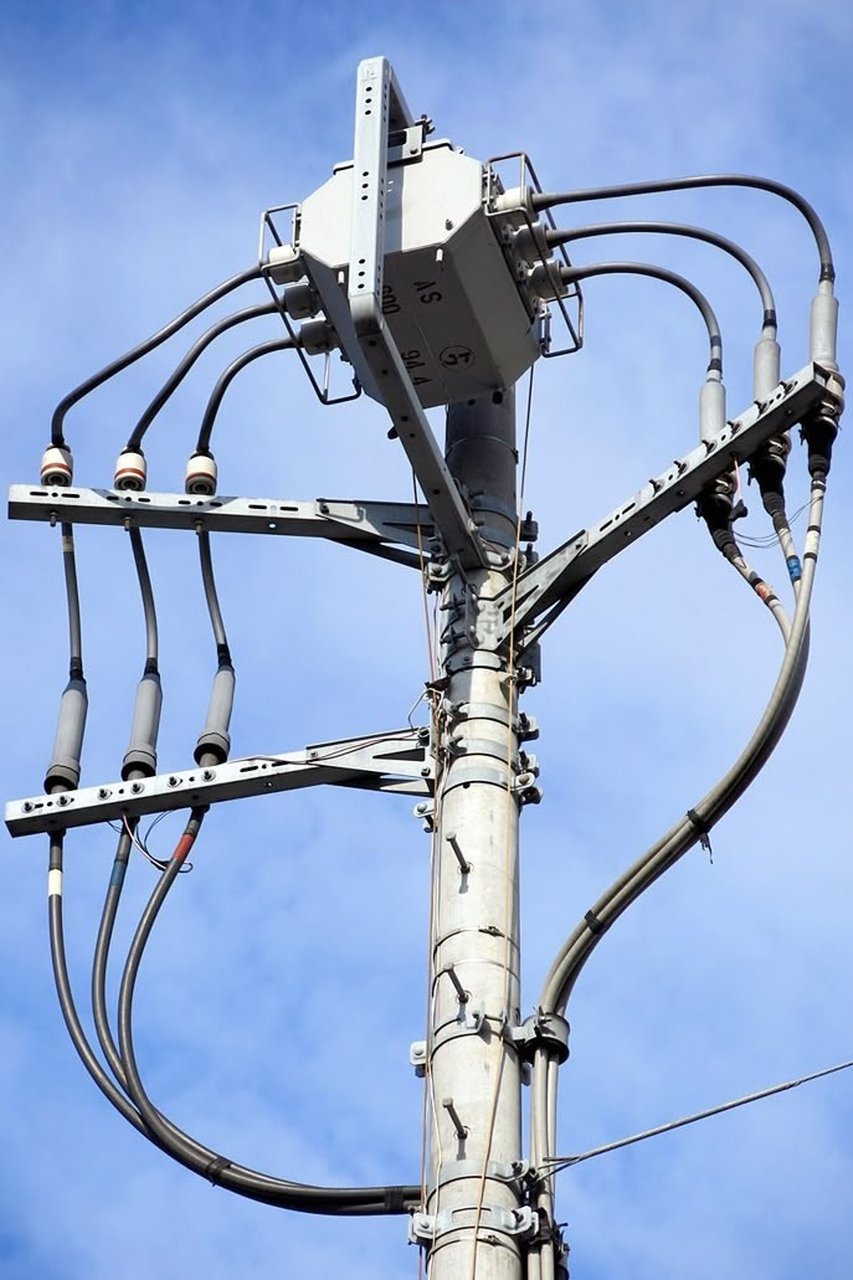 Before
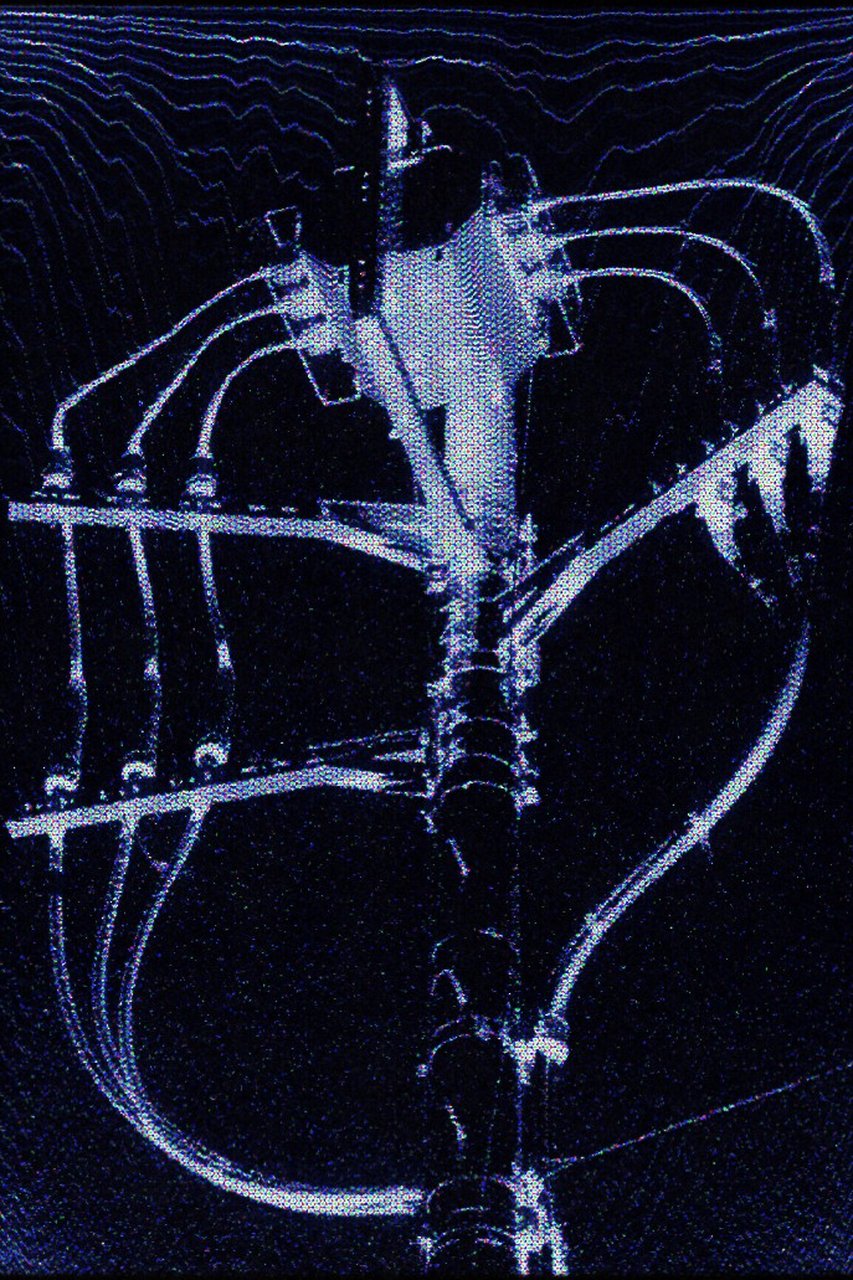 After
After
Ideas for using the effect
Glitch & signal interference art
Simulate corrupted broadcasts, analog signal breakdown, and transmission errors with authentic modulation artifacts.
Experimental music videos
Perfect for electronic music, techno visuals, experimental film, and avant-garde video art with technical distortion.
Cyberpunk & sci-fi atmospheres
Create dystopian broadcast intercepts, hacked transmissions, and futuristic signal corruption effects.
Abstract & generative art
Layer modulation waves with tonal inversion for unpredictable, artistic image transformation.
Made with this effect
More inspiration on Instagram @effect_app


Use Modulation Dither in Photoshop, Figma or on your desktop
One account, the same effect everywhere.
In Photoshop
Apply it to a layer in Photoshop 2022 and later, on macOS or Windows. The plugin renders on your own GPU and hands the result back as pixels on a new layer.
get the Photoshop plugin →In Figma
Run it on images and frames without leaving the canvas. The Figma plugin is this same editor, pointed at whatever you have selected.
get the Figma plugin →On desktop
Install the macOS or Windows app when you want a window of its own, with your account and your presets already there.
download the desktop app →Frequently Asked Questions
What does the Modulation Dither preset do?
Modulation Dither applies wave-based signal modulation to RGB channels, inverts tonal curves for negative-like contrast, adds Y2K blue tinting with soft blur and grain, simulates CRT phosphor screen grids, and layers subtle paper texture.
What is modulation doing?
The modulation effect applies wave distortion to the image signal—like analog broadcast interference—creating horizontal wave patterns that shift RGB channels independently.
Why inverted curves?
Inverted luminance curves create a negative-like look where darks become lights, adding to the corrupted transmission aesthetic before color grading.
What creates the blue glow?
Y2K blue monochrome tinting combined with gaussian blur in screen blend mode creates the electric phosphor glow, enhanced by CRT screen grid simulation.
Can I control the wave intensity?
Yes. Adjust modulation TC (time constant) for wave frequency, AM (amplitude modulation) for wave strength, and wave direction for horizontal/vertical patterns.
Does it work for video?
Yes. Modulation Dither runs in real time on video with animated modulation waves and static grain for dynamic signal corruption effects.
What images work best?
Technical subjects, industrial scenes, portraits, and high-contrast imagery work especially well—the modulation and inversion create striking abstract transformations.
Can I use Modulation Dither in Photoshop?
Yes. The Photoshop plugin applies the Modulation Dither preset to a layer in Photoshop 2024 and later, wave distortion, inverted curves and phosphor grid included, and returns ordinary pixels you can mask or blend.